

Principled Feedback Recap: Cross-Checking Buyer Input Across Marketplaces
Trying out a new brand is fundamentally a matter of trust, because trust is formed from what fellow shoppers say once the order lands. We Are Righteous has built momentum over time as a player in streetwear-inspired clothing, and with that growth comes a spread-out collection of reviews spanning marketplaces, social platforms, and independent forums. Gathering those scattered accounts gives a clearer picture than one lone five-star rating ever could. This roundup looks at what shoppers are really reporting about Righteous clothing, where the praise concentrates, where the complaints show up, and what patterns emerge once you compare platforms side by side. This isn’t about puffing up or tearing down the brand’s standing but to give shoppers a balanced, well-rounded perspective before they commit to a cart.
Feedback is seldom consistent from one account to the next. A shopper on one platform might sing the praises of the fit of a Righteous hoodie while another, on another platform, centers their comments on shipping speed or customer service response time. That unevenness is normal, but it’s also useful — it shows which aspects of the brand are consistently strong and which ones fluctuate depending on individual expectations or region. This article sorts the feedback by theme: item quality, sizing accuracy, customer service, and shipping experience, then weighs how the community on each site tends to weigh these factors.
What Explains Why Cross-Platform Reviews Outweigh a Single Score
A single star rating on one site can be deceptive. Ten reviews averaging 4.8 stars looks impressive until you realize the sample size is small, or that the feedback was https://righteousoutlet.org/t-shirts/ submitted within days of launch before long-term durability had been tested. Comparing notes from multiple platforms — such as dedicated review aggregators, social commerce comments, and community forums — reduces the risk of relying on a skewed snapshot. It also shows whether complaints are rare exceptions or repeated issues tied to certain product categories.
For a brand like We Are Righteous, which sells across several channels, this matters even more. Customers who buy through a marketplace listing may have different expectations, return policies, and support experiences than those who buy directly. A we are righteous review submitted through another seller’s site might be shaped by issues with how that particular site handles orders rather than the brand itself. Telling apart platform issues from actual product concerns is one of the more useful things a shopper can do before deciding to buy in 2026, when so many brands sell through five or six sales channels simultaneously.
On top of that, there’s a timing element. Write-ups covering a product’s first month on shelves tend to focus on the unboxing experience and initial reactions, while feedback posted three to six months after focus on how well things hold up — how the stitching holds up, whether the fabric pills, whether the print starts cracking after multiple wash cycles. A thorough roundup weighs both types, because a righteous review posted the week of release tells you a different story than one posted after a full season of wear.
What Customers Say About Product Quality
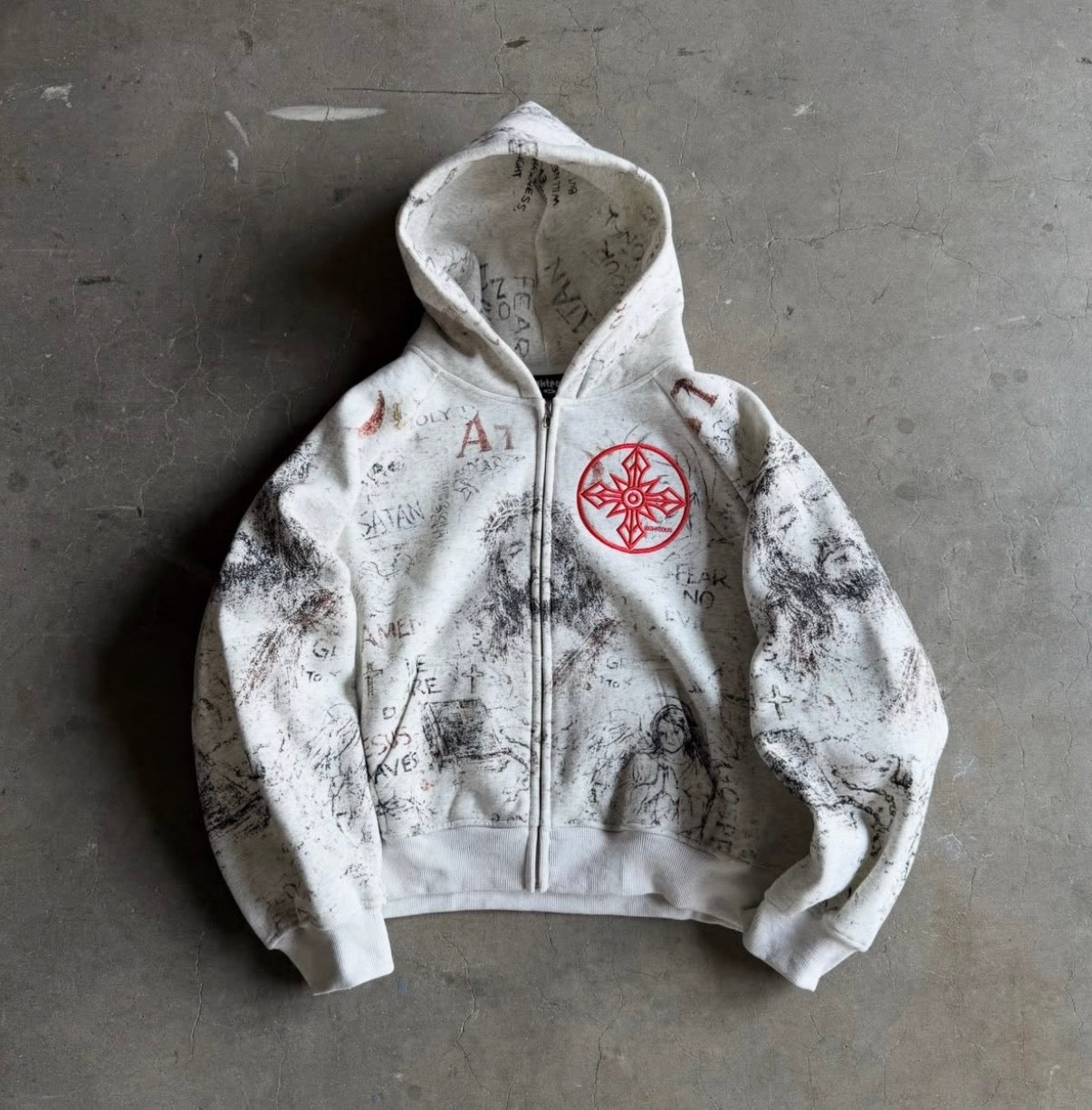
Looking across the platforms examined here, build quality is the category with the highest and steadiest levels of praise. Shoppers frequently bring up how the material feels and how heavy it is, particularly on heavier pieces like the Righteous hoodie line, noting it feels sturdy rather than thin or transparent — a gripe often leveled at budget streetwear competitors. Remarks on how the seams hold up through repeated washing also lean favorable, with multiple buyers reporting they’d worn a piece 15 to 20 times without visible wear at the seams.
Dye durability is yet another pattern that keeps coming up. A number of buyers pointed out that printed designs held their shape and vibrancy after being run through the wash, which matters for a brand whose aesthetic identity leans on bold typography and logo placement. That said, not all feedback is positive. A minority of shoppers — clustered mostly on one social commerce platform — flagged slight size variation across production runs, suggesting some production runs may vary slightly from others. It’s a detail worth noting rather than dismissing, since it affects how confidently a repeat buyer can order the same size twice.
Overall, when you aggregate the descriptive reviews, the general feeling around Righteous apparel build sits firmly on the favorable side, with build-quality issues representing a small share rather than the norm. Such a distinction matters for anyone comparing this brand against rivals within a packed apparel space.
Understanding Sizing and Common Fit Issues
Fit is where reviews diverge the most. Some buyers describe the brand’s cut as true to standard sizing charts, while others recommend sizing up for a looser, more streetwear-inspired fit. That’s not automatically a downside — plenty of streetwear labels deliberately design a looser fit — but it does mean shoppers buying for the first time should consult more than one review before choosing a size.
Buyers who went up a size particularly with the hoodie line generally noted higher satisfaction with the drape and sleeve length, while those who ordered their typical size in some cases discovered the cut more fitted than they’d assumed, particularly around the shoulder area.
This behavior is evident across more than one platform, indicating it’s a genuine characteristic of the cut rather than a one-off manufacturing quirk.
Height and body type also factor heavily into these comments, with those with more height tending to note a more evenly proportioned feel than reviewers who are shorter, who occasionally point out surplus length in the garment’s body and sleeve area.
The takeaway for shoppers browsing a we are righteous review before buying: pay attention to the reviewer’s stated size choice and body type, not just their star rating. A five-star review from someone who sized up means less if you’re planning to order true-to-size, and vice versa.
Response Times and Client Support
Out of all the categories in this overview, reviews of customer care show themselves as the most reliant on which platform was used. Purchasers who got in touch straight through the label’s direct channels report typically quicker turnaround versus those who dealt with external marketplace go-betweens. Turnaround times referenced in customer comments range from acknowledgment within the day to a handful of days for full resolution, according to the complexity of the issue — a sizing exchange versus a damaged-goods claim, for example.
In peak periods such as seasonal launches or festive promotions, response queues understandably lengthen, and grievances of this kind typically cluster around this issue. Positive reviews, by contrast, frequently praise support staff for offering clear, fix-focused help, especially in dealing with returns tied to the fit discrepancies discussed above. What this points to is its customer-service staff is generally responsive when reachable, but that volume spikes can cause brief bottlenecks — a pattern common across apparel brands selling straight to consumers and not something exclusive to this brand.
If post-purchase support matters to you, weigh the timing of your purchase: customer-service requests opened during a major sale event may take a bit longer than those opened in a quieter sales period.
An Overview Of the Fulfillment Journey Across Various Retail Outlets
Depending on your chosen platform shapes comments on delivery more than the season does — handy to know when choosing where to purchase.
Feedback posted on marketplace pages sometimes mirror the marketplace’s own shipping partners rather than anything the brand controls directly, and this becomes obvious when you line up comments about delivery next to one another.
Customers who purchased straight from the brand report a more consistent packaging experience, with several mentioning branded packaging and inserts that backed up the sense of buying from an established label rather than a dropship operation.
Turnaround times cited within reviews range from a few business days for domestic orders to extended windows for international shipments, which tracks with conventional apparel sector standards. A handful of reviews note slowdowns during busy retail stretches, which is unsurprising given how purchase volume jumps across the sector around major sales events. The notable point is that very few reviews mention lost or misrouted packages — a reassuring signal for a brand whose fulfillment standing could otherwise be a vulnerable spot.
Comparing the Platforms Side by Side
To make the comparison concrete, here’s how overall tone divides across the key categories shoppers touch on, based on the combined trends described above.
| Theme | Direct-to-Consumer Channel | Third-Party Marketplace Pages | Social Commerce |
|---|---|---|---|
| Item Quality | Steadily strong | Mostly positive | Generally good, though some lots vary |
| True-to-Size Reliability | Fairly consistent | Inconsistent, ordering a size larger is advised | Uneven, results differ by body shape |
| Support Experience | Prompt, with a fix-it approach | Delayed, contingent on third-party handling | Uneven, though direct messaging helps |
| Delivery Experience | Dependable, with branded presentation | Dependent on marketplace logistics | Generally on schedule |
What This Means for Shoppers Comparing the Righteous Clothing Brand
Taken as a whole, the resulting image is a brand with genuinely strong core products, some expected fit-related variability, and a service experience that performs best when customers go straight to the source. That’s a fairly typical profile for a expanding apparel label in 2026, when most brands are balancing multiple sales channels and the reviewer terrain that comes with them.
If you’re trying to decide on a purchase and trying to decide where to buy from, the pattern here points toward ordering directly when possible, especially if a smooth support experience and consistent packaging matter to you. If you do buy through a marketplace, read current reviews specific to that listing rather than assuming they mirror the brand’s own channel. On the sizing front, cross-check a couple of reviews from buyers with a comparable body type to your own before deciding whether to stick with your usual size or go up a size.
Ultimately, the distribution of opinions across platforms tells a consistent narrative rather than a conflicting one: dependable materials, a sizing pattern worth studying before you buy, and service that’s most reliable closest to the source. This is practical, usable insight for anyone figuring out whether We Are Righteous belongs in their next order.
Leave a Reply